Fire and Smoke Damage Cleanup: What Groveland Homeowners Should Expect in the First 24 Hours
A house fire scrambles time. The first hour feels loud and fast, then the next several can feel strangely quiet while you stand in a place that no longer feels familiar. Even a smaller fire, one contained to a kitchen, laundry room, or garage, can leave behind more than charred material. Smoke travels. Soot settles in places you would not expect. Water used to put out the fire can soak floors, wall cavities, cabinets, and insulation. In Groveland, where heat, humidity, and storm season already put pressure on homes, that moisture matters almost immediately.
The first 24 hours are not really about making the house look better. They are about safety, documentation, stabilizing the property, and preventing the damage from spreading. That is what experienced restoration crews focus on first, and it is what homeowners should expect from a solid remediation company Lake County residents can trust.
The first shock gives way to practical decisions
Right after the fire department leaves, most homeowners want to do one of two things. They either want learn more to rush in and start grabbing things, or they want to shut down completely because the whole scene feels overwhelming. Neither reaction is unusual.
What helps is understanding that the first day has a narrow job. You are not deciding every repair, and you are not expected to know exactly what can be saved. You are trying to keep people safe, protect your claim, and stop conditions from getting worse.
If the structure is not cleared for reentry, stay out. That sounds obvious, but after a stressful event people often underestimate how unstable a home can be. There may be hidden hot spots, damaged wiring, weakened floors, broken glass, or contaminated water. Fire and smoke damage cleanup begins with safety, not deodorizer and shop towels.
If you are allowed to go back in, expect the space to smell far stronger than it looks. Smoke odor lingers in drywall, fabrics, insulation, and HVAC components. Soot can be dry and powdery or greasy, depending on what burned. The black residue around a vent or on a countertop may be only part of the story. Fine particles often travel into closets, bedrooms, and return ducts far from the room where the fire started.
What a professional crew is trying to accomplish on day one
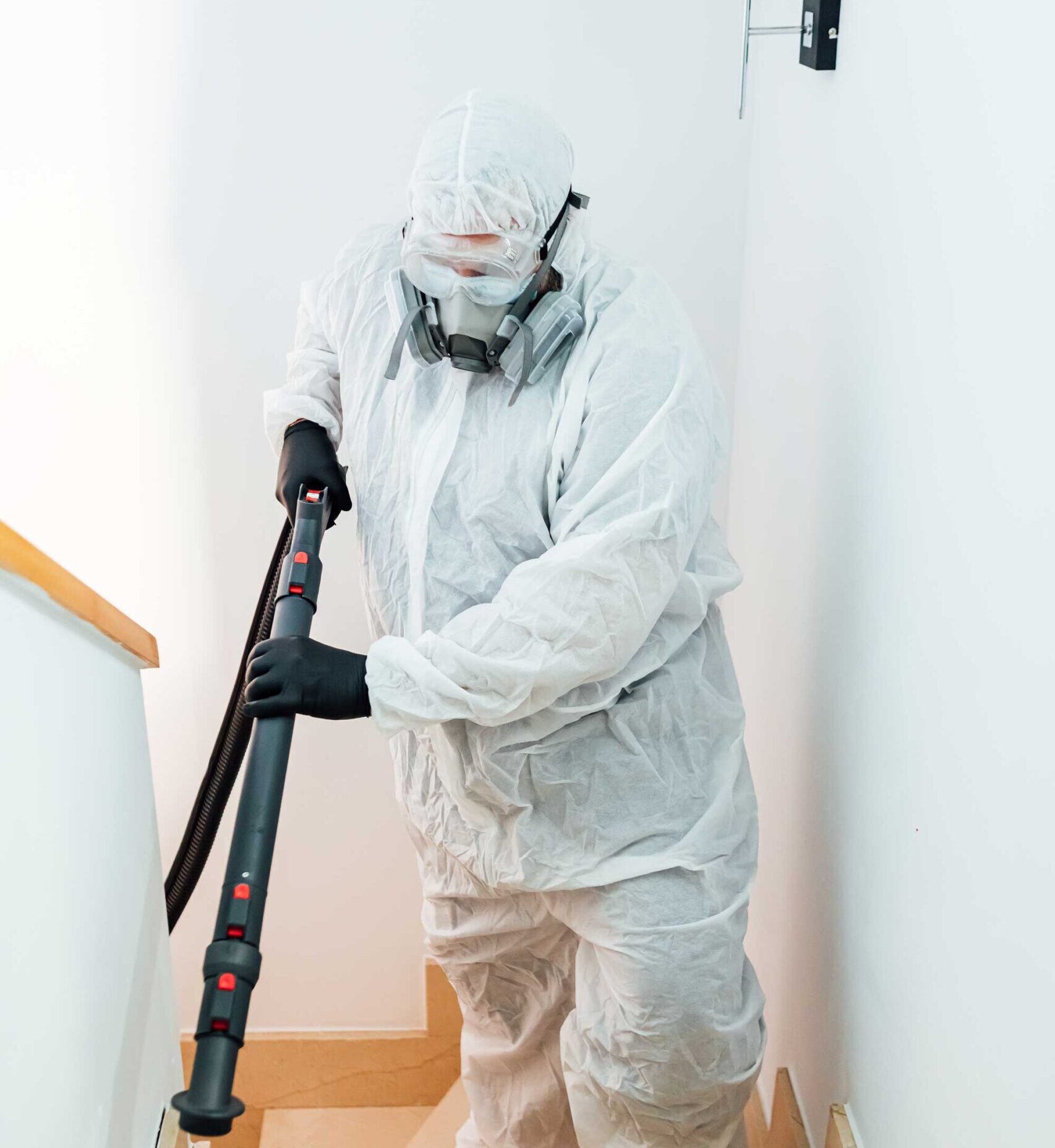
A good crew does not arrive and immediately start tearing everything out. The first visit is usually more disciplined than that. They are trying to understand the type and spread of damage, identify safety hazards, coordinate with the homeowner and insurer, and create conditions that prevent secondary issues.
Secondary damage is where small delays become expensive. In Central Florida, water left standing or trapped in materials can contribute to mold growth. Florida health guidance is clear that mold grows when moisture is present, and recurring mold usually means the source of moisture was never fully corrected. That matters after a fire because the water used to extinguish it can become the next emergency if cleanup stalls.
This is one reason fire and smoke damage cleanup often overlaps with water damage cleanup Central Florida homeowners may already understand from storm season. The urgency is similar. Wet materials, elevated indoor humidity, and poor air movement can create trouble fast, especially in summer.
On day one, the crew may inspect visible damage, check where water migrated, identify porous materials that are likely unsalvageable, and look at whether the HVAC system may have pulled smoke through the house. They may also talk with you about age of the home and whether any demolition could disturb older materials.
That last point matters more than people realize. In older homes, renovation and repair work can raise separate health concerns. Homes built before 1978 may contain lead-based paint, and major tear-out can disturb hazardous materials. In some properties, asbestos is also part of the equation during demolition or renovation. That is why Groveland FL asbestos testing sometimes becomes part of the conversation after a fire, not because the fire itself “causes” asbestos, but because cleanup and reconstruction may disturb materials that were already there. If suspect materials are involved, asbestos abatement Lake County homeowners need should be handled under the applicable rules, not improvised in the middle of a stressful week.
What you should do before touching much of anything
The instinct to clean soot off surfaces right away is understandable, but it often backfires. Dry soot can smear, and oily soot can stain permanently when rubbed into paint, upholstery, or wood grain. Before you start handling contents, think in this order:
- Confirm the home is safe to enter and avoid turning utilities on yourself unless you have been told it is safe.
- Photograph and video every affected area before cleanup begins, including rooms that look only lightly affected.
- Contact your insurer and ask what they want documented, saved, or separated for the claim.
- Remove only essential personal items if they are safely accessible, medications, documents, wallets, phones, eyeglasses, and similar basics.
- Leave deep cleaning, debris removal, and demolition decisions to qualified professionals once the damage is assessed.
That list is short on purpose. In practice, those five steps carry most of the weight in the first day.
Why smoke damage rarely stays in one room
Homeowners often focus on the burn area because it is the most visible. The more frustrating part is often what happened everywhere else. Smoke is opportunistic. It follows airflow, slips through cracks around doors, and gets pulled into the HVAC system. A bedroom with no flames can still end up with odor in the mattress, soot on horizontal surfaces, and contamination in closets and soft goods.
This is where good judgment matters. Not every smoke-affected item needs to be thrown away, but not every item is worth aggressive restoration either. Hard, nonporous items are usually more straightforward to clean than porous ones. Glassware, some metal items, and certain sealed surfaces may recover well if the residue is removed properly. Unsealed wood, upholstered furniture, paper goods, and some electronics are trickier. The decision is rarely emotional for the crew, but it often is for the homeowner. That tension is normal.
One family I’ve seen after a small garage fire assumed the damage stopped at the door to the house because there was no visible blackening in the living room. What changed their mind was wiping the top edge of a white door casing and seeing gray residue come off on a cloth. The HVAC return near the hallway had done exactly what HVAC returns do, it moved contaminated air. That did not mean the whole home needed gutting, but it did mean the cleanup scope was larger than they thought.
If the system ran during or after the event, HVAC mold remediation and smoke contamination checks may both become relevant later, especially if water entered the air handler area or if drain pan issues are already part of the home’s history. Florida health guidance notes that if a central AC system is being used to lower humidity below 60 percent, the system should be examined for problems. In a post-fire setting, that is practical advice. You do not want a struggling system circulating odor or moisture through the house.
Water is often the second problem, not a side note
People hear “fire damage” and picture soot. Professionals often see a combined loss. The firefighting water may have traveled under flooring, behind baseboards, and into insulation or cabinets. If the fire happened upstairs, the path downward can be messy and broad. Even a single-room incident can produce enough water to affect adjacent spaces.
In Groveland and across Lake County, warm air and heavy seasonal moisture do not give you much grace period. If wet materials sit, mold can follow. Florida’s guidance on moisture sources is straightforward: roof leaks, plumbing leaks, flooding, condensation, poor ventilation, and HVAC or drain-pan problems all contribute. After a fire, you can effectively add suppression water to that list of moisture events that need fast control.
That is why emergency restoration services usually start with extraction, removal of saturated materials where necessary, and drying plans. You may hear terms like moisture mapping or containment. Even if the house “feels dry,” hidden moisture can remain in wall cavities and under flooring. A crew that takes this seriously is trying to prevent the job from turning into mold removal Groveland homeowners did not expect to need a week later.
The odor question nobody likes to hear answered honestly
Nearly every homeowner asks the same thing in the first day: “How soon can you get rid of the smell?”
The honest answer is that odor removal depends on whether the source is actually being removed, not simply covered. Smoke odor lives in residue and porous materials. If the residue remains, the smell returns. If the charred material remains, the smell returns. If contaminated insulation, carpet pad, or duct debris remain, the smell often returns.
This is one reason quick “fragrance” treatments disappoint people. They may make the room more tolerable for a few hours, but they do not solve the chemistry of smoke contamination. Real odor removal follows cleaning, source removal, and sometimes controlled treatment methods after the structure is stabilized. That sequence is less satisfying in the moment, but it is the right one.
If there is also standing water, flood intrusion, or a backup issue, the odor picture gets more complicated. Sewage cleanup is a separate hazard category because sewage backups can create health risks and require protective precautions and isolation of affected areas during cleanup. Homeowners sometimes lump every bad smell into one problem. A restoration professional should not. Smoke odor, wet materials, moldy odor, and sewage contamination each point to different cleanup methods.
What happens with food, medicine, and everyday items
The kitchen and pantry create a lot of uncertainty. After a fire, heat and smoke can affect exposed food, and if there has also been storm or suppression water exposure, caution matters even more. Flood safety guidance says food exposed to flood or storm water should be thrown away. That same conservative mindset helps after mixed-loss events where contamination is uncertain.
Medications are more case-specific, and homeowners should use common sense and professional medical or pharmacy guidance for anything they depend on. If containers are damaged, labels are unreadable, or items were heavily exposed, replacing them is often the safer route.
Clothing and linens can go either way depending on how heavy the smoke was and whether they were in sealed drawers or open spaces. A shirt hanging in a closet across the house is different from a blanket in the room next to the fire. The first 24 hours are usually too early to make final salvage decisions on every textile. That is normal. It is better to sort carefully than to toss too much in a panic or save too much out of optimism.

Insurance is part of the cleanup, not separate from it
The administrative side of a fire loss feels unfair because it arrives while you are still shaken up. It is still important. FEMA recovery guidance emphasizes documenting damage and coordinating with your insurer during cleanup and repairs after fire, smoke, storm, or flood events. That coordination protects you.
Homeowners insurance is a legal contract, and the details matter. Ask questions. If you do not understand what your policy covers for smoke damage, temporary protection, contents cleaning, or additional damage from water used to extinguish the fire, ask for plain-language explanations. Keep a running inventory as best you can. You do not need a perfect spreadsheet in the first evening, but photographs, room-by-room notes, and a folder of contact names and claim numbers will save you stress later.
A common mistake is disposing of items too soon. Another is authorizing major reconstruction before the scope is documented. Emergency stabilization and necessary protective work are one thing. Permanent repair decisions are another. A careful remediation company Lake County homeowners hire should understand that line and help you keep the process organized.
Older homes can add another layer to the first day
Groveland has homes from different eras, and age changes cleanup decisions. If your house is older and the fire was significant enough that walls, ceilings, flooring, or insulation may need removal, hazardous material screening may come into play before invasive work.
That is where Groveland FL asbestos testing may become part of the timeline. Again, the testing is not a routine add-on for every small smoke cleanup. It becomes relevant when demolition or renovation could disturb suspect materials. The same goes for homes built before 1978, where lead-based paint is a known concern during renovation, repair, or painting. Homeowners are often surprised that this slows down the “rip it out and rebuild” phase, but the pause is there for good reason.
When asbestos-containing materials are identified, asbestos abatement Lake County work should be handled under the proper rules by qualified professionals. That may feel like one more headache at the worst time, but it is safer than pretending those materials are not there.
If a storm caused the fire, expect a more complicated scene
Not every fire starts with cooking or an appliance. In Florida, storms can stack problems on top of each other. Wind damage, roof leaks, lightning-related events, and utility interruptions can turn one incident into a combined loss involving smoke, water, and structural exposure. In those cases, hurricane damage restoration Florida companies often deal with a sequence of issues rather than one simple cause.
A storm-related fire can also leave the property vulnerable to rain intrusion if the roof or exterior envelope has been damaged. That means temporary protection may be needed quickly to keep additional water out. If there is any flooding or stormwater intrusion, treat contamination seriously. Reentry should focus first on safety, utilities, and contamination risks. That is not alarmist, it is practical.
Generators deserve a quick mention here because people often use them during outages after a storm or fire. Be cautious. Improper generator use carries fire and carbon monoxide risks. In an already damaged home, the last thing you need is a second emergency layered on top of the first.
What a realistic first 24 hours often looks like
Most families picture either miraculous overnight restoration or total chaos. The truth is usually in the middle. You should expect a lot of phone calls, some waiting, and a few meaningful actions that stabilize the property.
A typical first day may include these milestones:
- Safety clearance, limited reentry, and initial documentation of damage.
- Contact with your insurer and discussion about urgent protective work.
- An assessment by emergency restoration services to identify smoke spread, water impact, and immediate hazards.
- Early steps to control further damage, such as water removal, isolation of affected zones, or temporary protection of exposed areas.
- A plan for the next several days, including contents handling, cleaning scope, drying, and any needed specialty evaluation.
If your expectations match that rhythm, the process feels less disorienting. You are not supposed to have every answer in the first 24 hours. You are supposed to get the right people involved and avoid mistakes that make the loss worse.
The mold issue that can sneak up after the smoke clears
Homeowners sometimes treat mold as a separate, future problem. In Florida, it is often a near-term risk after any event involving water. If suppression water, roof leaks, humidity spikes, or AC problems are left unresolved, mold can begin to complicate the recovery. Florida guidance is direct on this point: visible mold or recurring mold usually means the underlying moisture source still needs to be fixed.
That is why a strong post-fire plan does not stop at soot cleanup. It looks at drying, humidity control, and the HVAC system. If the central AC is the main tool keeping indoor humidity down, it should be examined for problems, especially if it may have been exposed to smoke, water, or debris. Sometimes homeowners focus so much on walls and furniture that they forget the equipment moving air through the house every day.
If mold is later discovered, mold removal Groveland work should be tied to moisture correction, not just surface treatment. And if contamination extends into the ductwork or air handling components, HVAC mold remediation may be part of getting the indoor environment back to normal.
Choosing help when you are tired and under pressure
The first company that answers the phone is not always the wrong company, but urgency can make people overlook important questions. You do not need a perfect interview process while standing in smoky clothes, but it helps to notice whether the people on site talk clearly about safety, documentation, moisture, and next steps.
A crew with experience in fire and smoke damage cleanup should understand how often these losses overlap with water issues, contamination concerns, and older-home renovation rules. They should also be comfortable saying, “We need to evaluate that further,” instead of pretending certainty where there is none. Honest uncertainty is a good sign in restoration work.
For Florida homeowners, another practical checkpoint is whether the professionals handling mold-related work are properly licensed where required. Florida says mold assessor and mold remediator licensure is handled by the Department of Business and Professional Regulation. If your project shifts from fire cleanup into mold concerns, that detail matters.
The emotional side is real, even in a small loss
A final truth about the first day: people often feel embarrassed by how upset they are if the fire was “not that bad.” But smoke in your clothes, a wet hallway, the smell of burned plastic, the sight of your child’s room with soot on the windowsill, those things land hard. A contained fire can still make a home feel violated.
That is why realistic expectations matter. The first 24 hours are messy. They involve paperwork, safety checks, waiting on decisions, and resisting the urge to scrub everything yourself. They also set the tone for the entire recovery. Good early decisions can reduce odor problems, limit water damage, lower mold risk, and keep your claim cleaner. Poor early decisions can spread soot, disturb hazardous materials, or turn a manageable cleanup into a larger remediation project.
For Groveland homeowners, the local climate adds one more reason to move carefully but quickly. Heat and humidity do not pause while you process the event. If you remember nothing else, remember this: after a fire, protect people first, document thoroughly, and treat smoke, water, and air quality as connected problems. That mindset gives your home the best chance of a cleaner recovery.
Corrections
Spot something wrong? Send it to the desk and it gets fixed in the open.